
The right set of Toyota 4Runner OEM wheels can dramatically change how your SUV looks, drives, and performs off-road. OEM wheels are factory-designed wheels made specifically for the Toyota 4Runner, which means they match the vehicle’s bolt pattern, offset, load rating, and engineering standards without guesswork.
For most owners, OEM wheels offer the best balance of durability, compatibility, ride quality, and resale value. They are especially popular among drivers who want factory reliability, proper fitment, and a clean original appearance.
This guide covers everything you need to know about Toyota 4Runner OEM wheels, including wheel sizes by generation, TRD wheel options, offsets, tire compatibility, pros and cons, and common mistakes buyers make.
In This Article
What Are Toyota 4Runner OEM Wheels?
Toyota 4Runner OEM wheels are factory-original wheels produced or approved by Toyota for specific 4Runner model years and trims.
“OEM” stands for Original Equipment Manufacturer. These wheels are engineered to meet Toyota’s exact specifications for:
- Weight capacity
- Suspension geometry
- Brake clearance
- Hub fitment
- Offset and backspacing
- Durability standards
Unlike many aftermarket wheels, OEM wheels are designed specifically around the 4Runner’s suspension and chassis setup.
Why OEM Wheels Matter on a Toyota 4Runner
The Toyota 4Runner is heavier than many midsize SUVs and is frequently used for towing, off-roading, overlanding, and trail driving. Wheel strength and fitment matter more on a 4Runner than they do on a standard commuter vehicle.
OEM wheels help ensure:
- Predictable steering feel
- Proper tire wear
- Correct suspension geometry
- Reliable brake clearance
- Better long-term durability
- Reduced vibration issues
They also simplify wheel upgrades because factory specs are already optimized for the vehicle.
Toyota 4Runner OEM Wheel Specs Explained
Before buying wheels, it helps to understand the basic specifications.
Bolt Pattern
Most modern Toyota 4Runner models use:
| Specification | Value |
| Bolt Pattern | 6×139.7 mm |
| Lug Nuts | M12x1.5 |
| Center Bore | 106.1 mm |
The 6×139.7 pattern is shared with several Toyota trucks and SUVs, including the Tacoma, Tundra, and Lexus GX in certain generations.
Wheel Offset
Offset determines how far the wheel sits inward or outward relative to the hub mounting surface.
Most OEM 4Runner wheels have offsets between:
- +4 mm
- +15 mm
- +30 mm
Lower offsets push the wheel outward for a wider stance, while higher offsets tuck the wheel inward.
Wheel Diameter
Common Toyota 4Runner OEM wheel sizes include:
- 16-inch wheels
- 17-inch wheels
- 18-inch wheels
- 20-inch wheels (limited trims)
Seventeen-inch wheels are the most popular among off-road enthusiasts because they allow for larger tire sidewalls.
Toyota 4Runner OEM Wheel Sizes by Generation
Choosing the correct wheel often depends on your 4Runner generation.
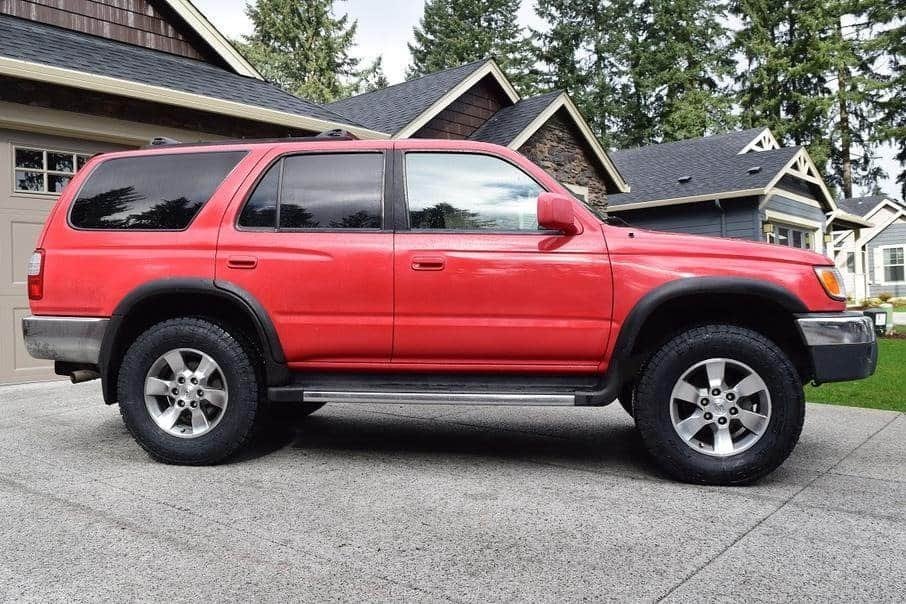
Third Generation 4Runner (1996–2002)
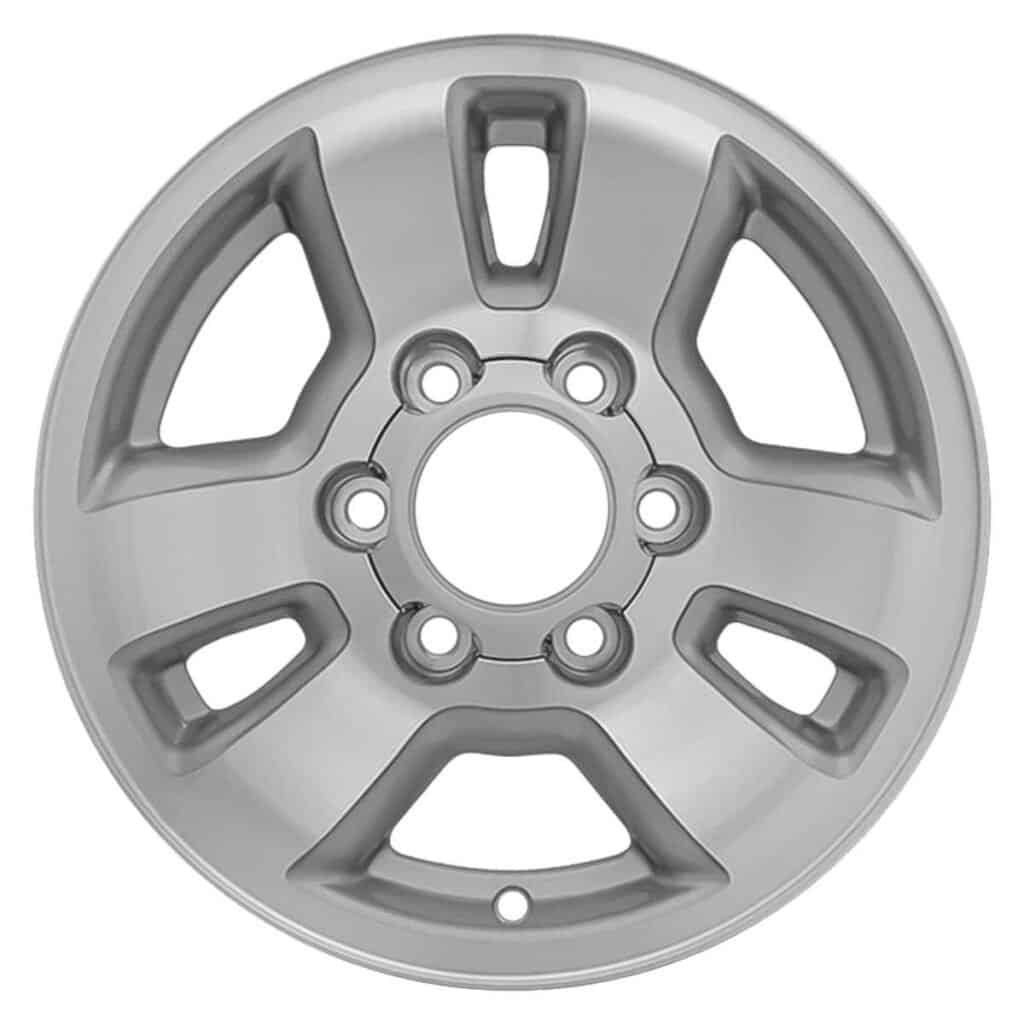
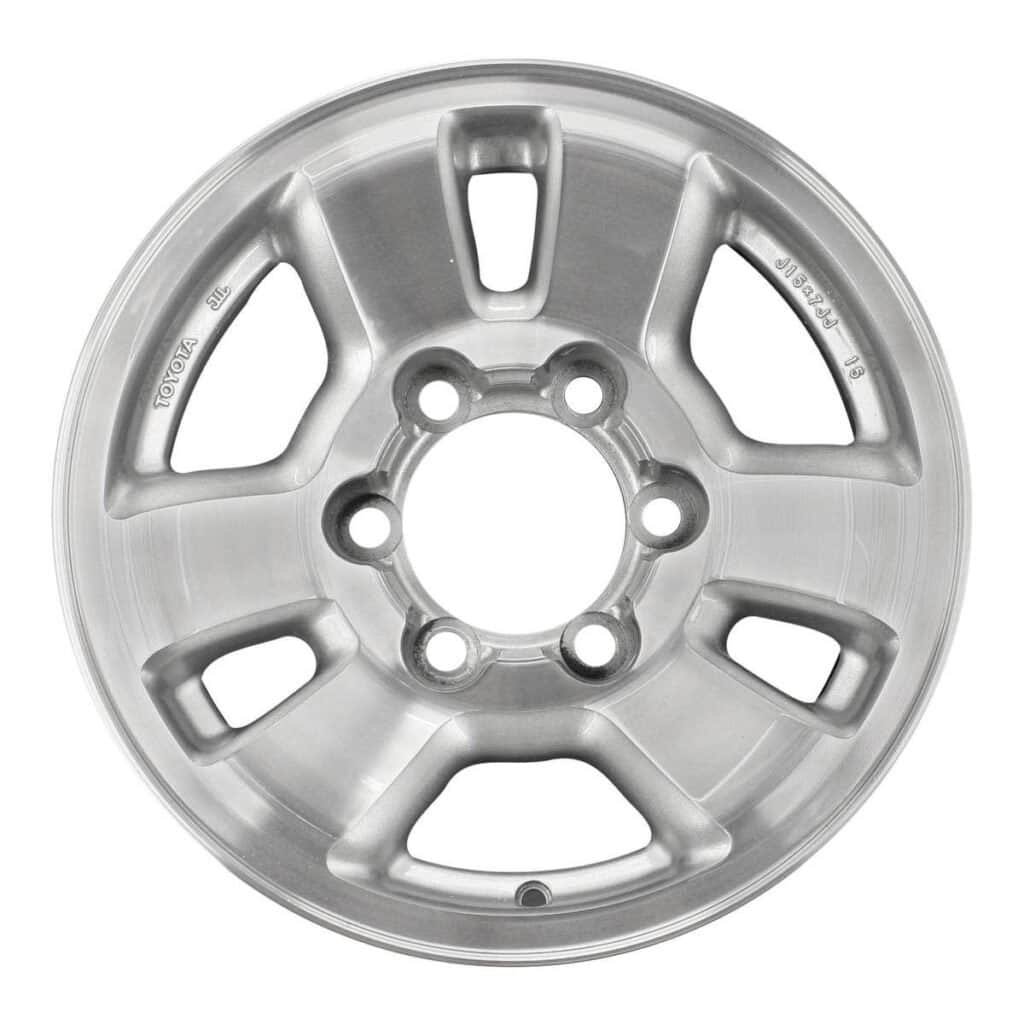
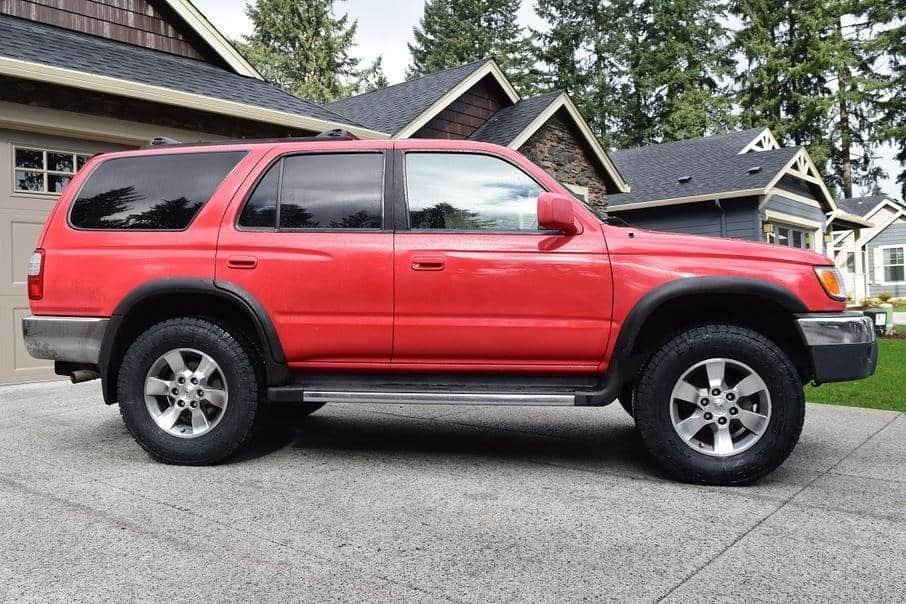
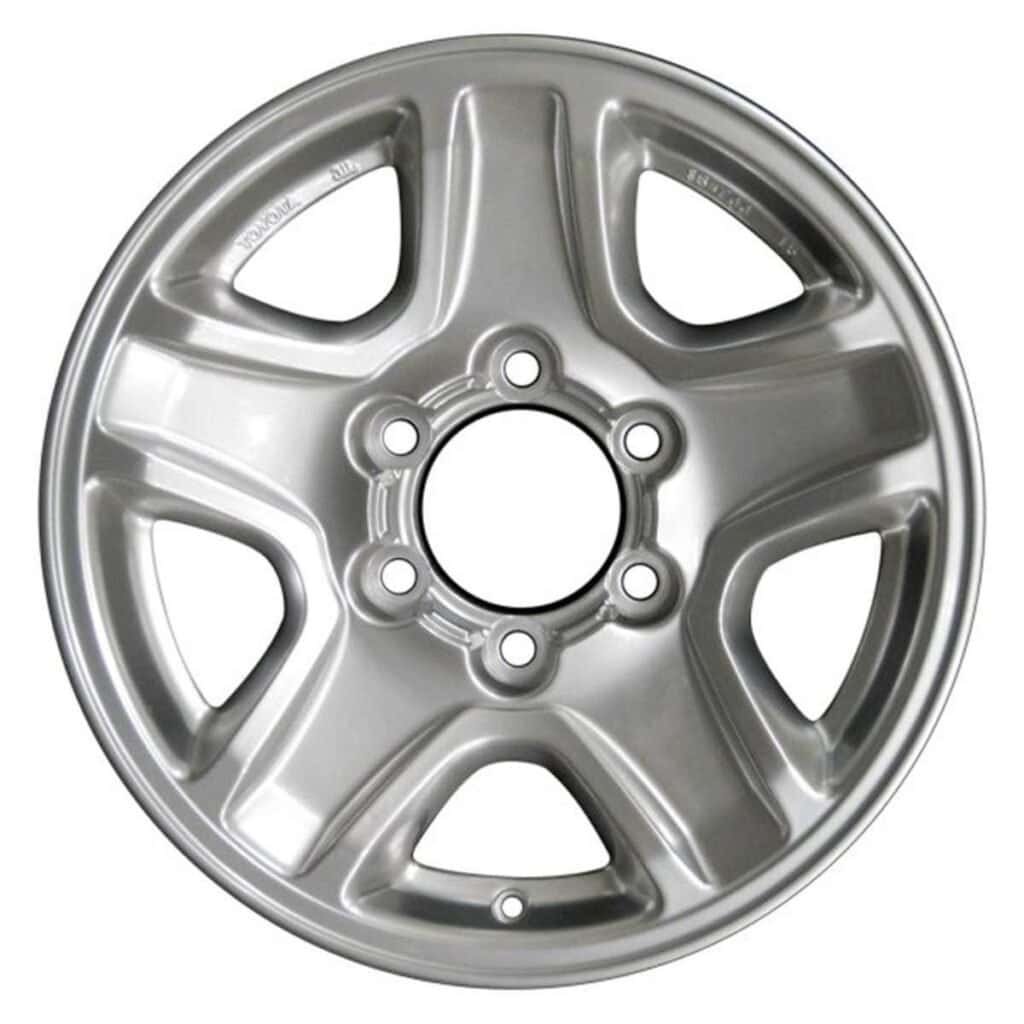
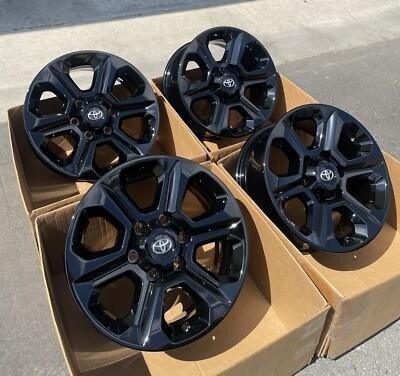
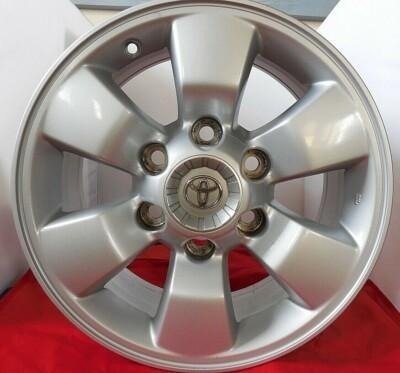
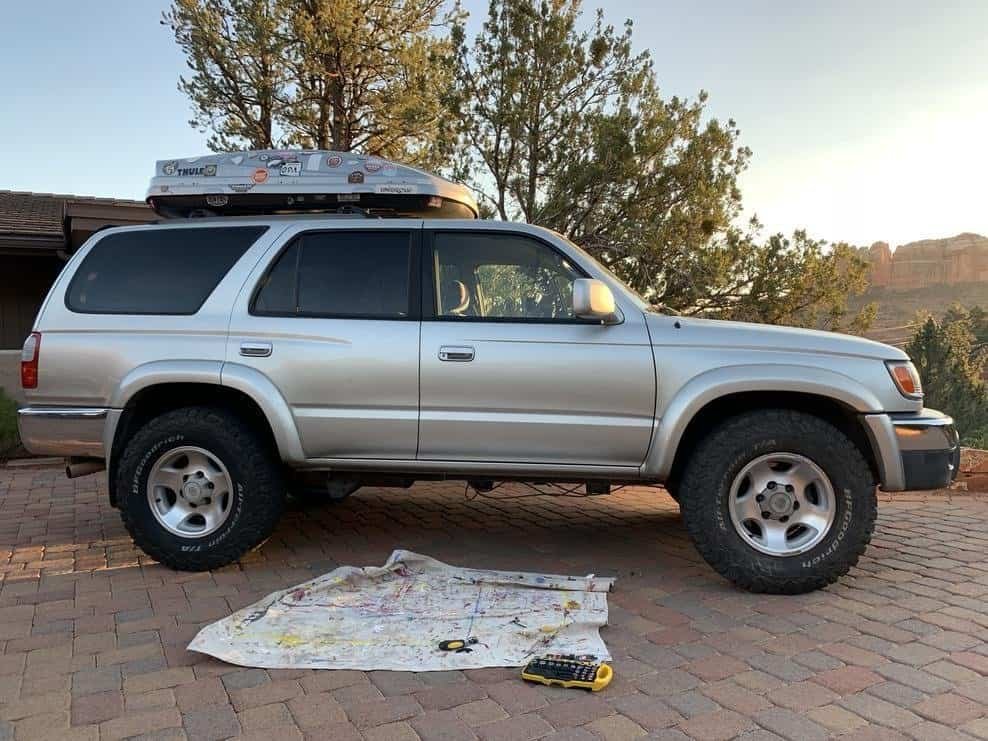
Typical factory wheel sizes:
| Trim | Wheel Size |
| SR5 | 15×7 or 16×7 |
| Limited | 16×7 |
These models are known for lightweight factory alloy wheels that remain popular in the off-road community.
Fourth Generation 4Runner (2003–2009)
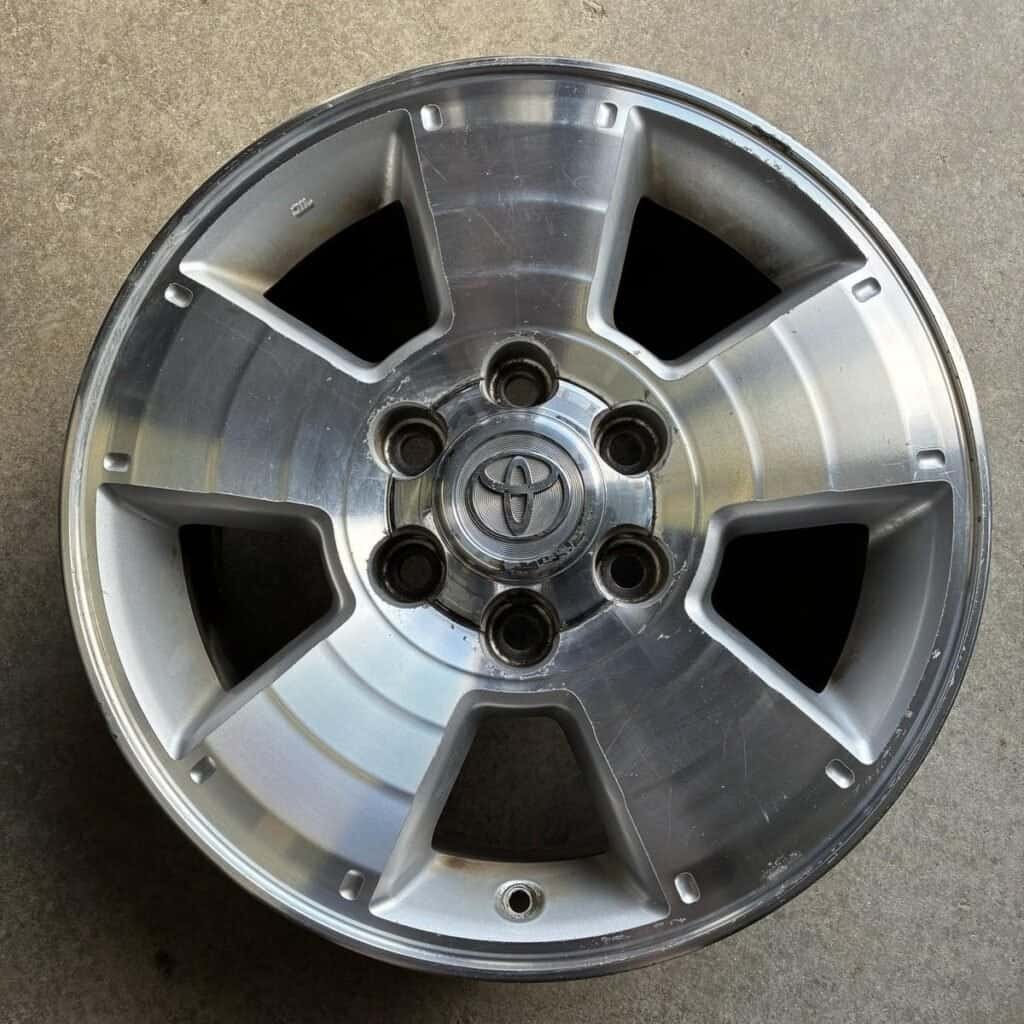
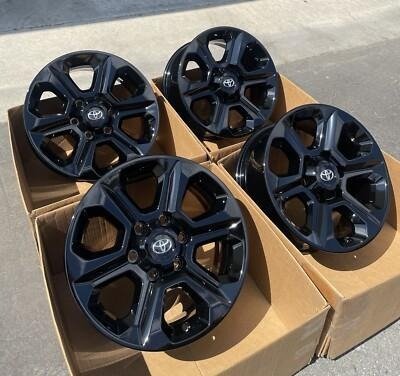
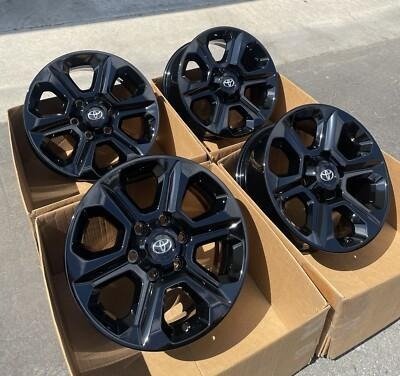
Common factory sizes:
| Trim | Wheel Size |
| SR5 | 16×7 |
| Sport Edition | 17×7.5 |
| Limited | 18×7.5 |
Fourth-generation wheels introduced more aggressive styling and larger brake clearance.
Fifth Generation 4Runner (2010–Present)
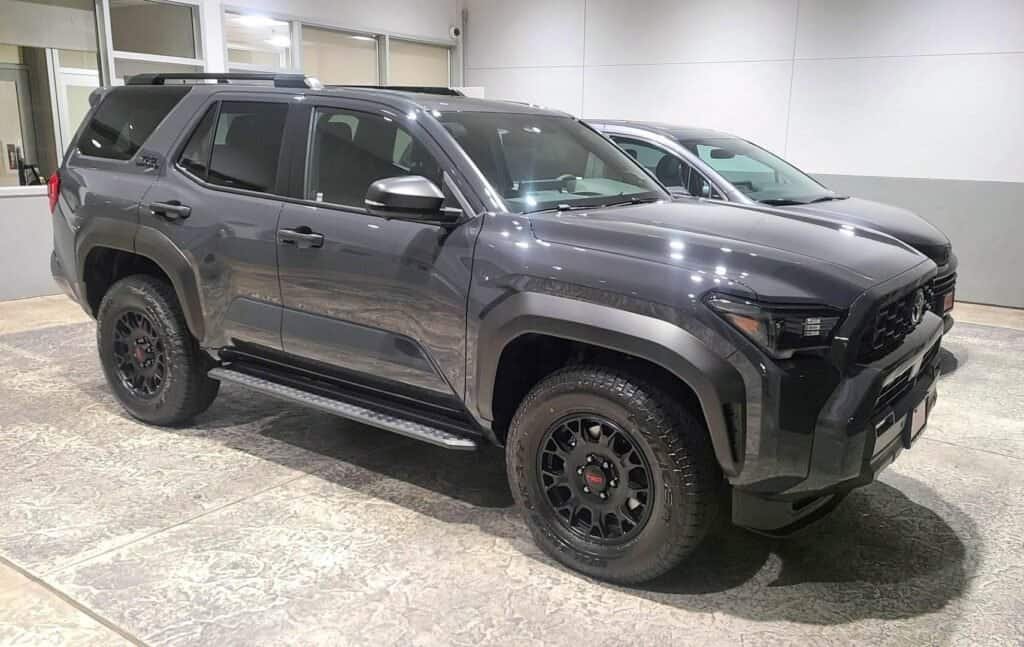
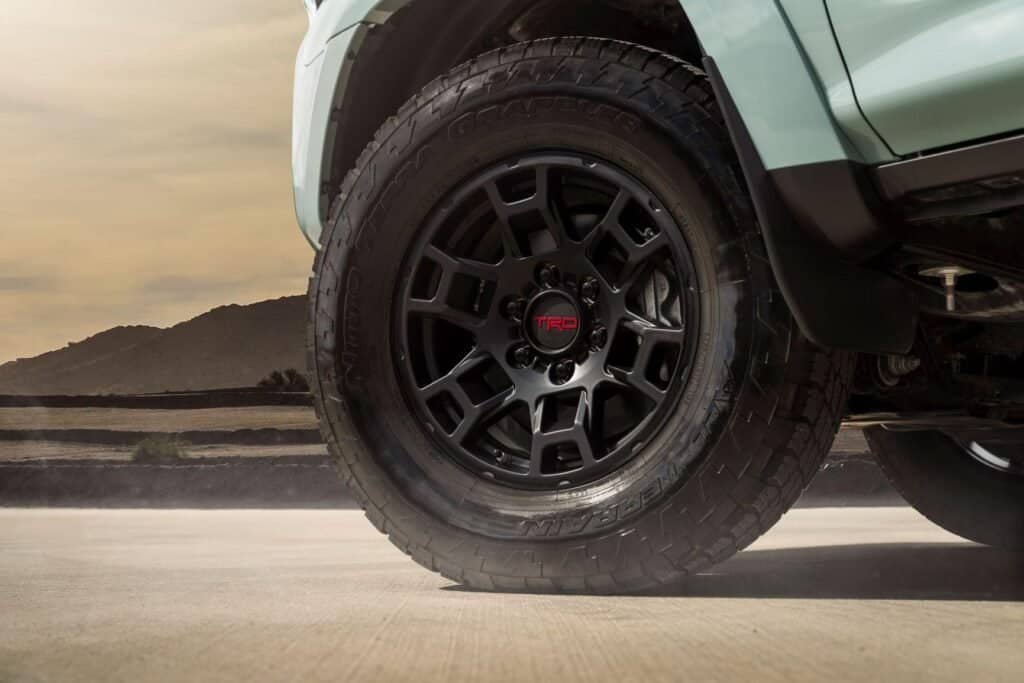
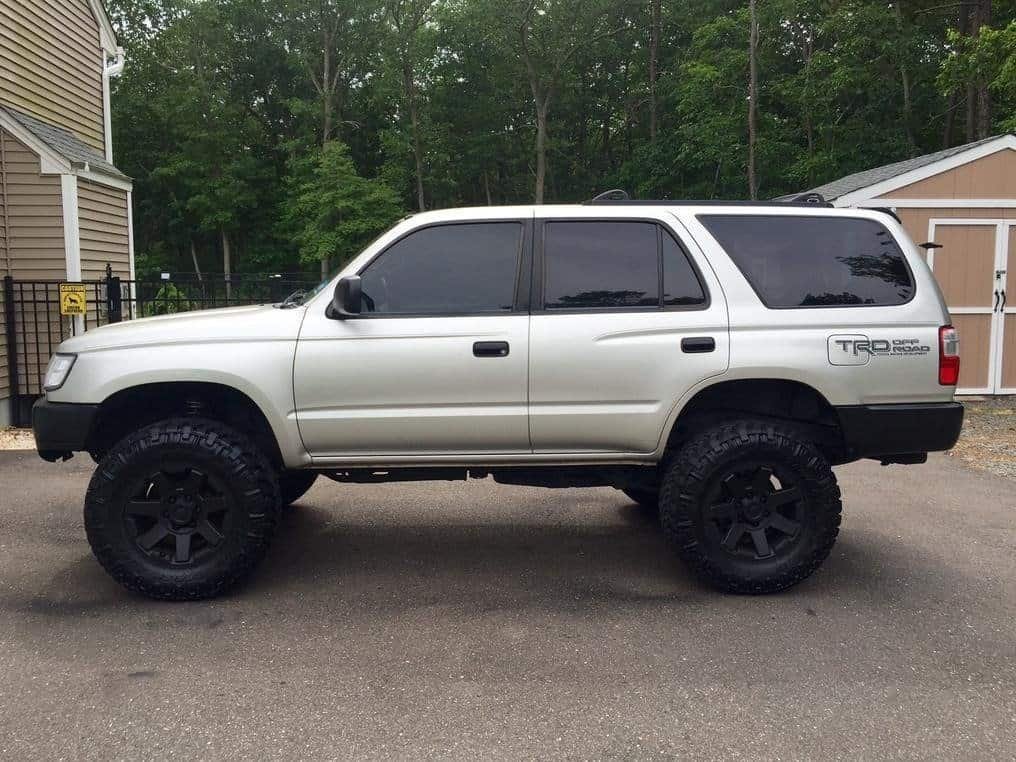
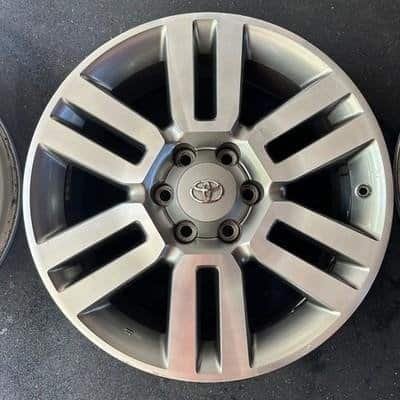
Typical factory wheel sizes:
| Trim | Wheel Size |
| SR5 | 17×7 |
| TRD Off-Road | 17×7.5 |
| TRD Pro | 17×7 |
| Limited | 20×7.5 |
The fifth generation introduced some of the most sought-after OEM wheels in the 4Runner lineup, especially TRD Pro wheels.
Why TRD Pro OEM Wheels Are So Popular
TRD Pro wheels have become one of the most commonly upgraded OEM wheel options for 4Runner owners.
Key Features of TRD Pro Wheels
- Matte black finish
- Wider stance
- Aggressive appearance
- Trail-oriented design
- Strong aluminum alloy construction
Most TRD Pro wheels use:
| Specification | Value |
| Size | 17×7 |
| Offset | +4 mm |
| Bolt Pattern | 6×139.7 |
| Material | Cast aluminum alloy |
The lower offset gives the 4Runner a more planted look without requiring spacers.
OEM Wheels vs Aftermarket Wheels
Many owners debate whether to stay with OEM wheels or switch to aftermarket options.
OEM Wheel Advantages
| Benefit | Explanation |
| Guaranteed fitment | No clearance guesswork |
| Factory-tested durability | Built to Toyota standards |
| Better resale value | Maintains OEM appearance |
| Proper load rating | Designed for SUV weight |
| Fewer vibration issues | Hub-centric fitment |
OEM Wheel Drawbacks
| Drawback | Explanation |
| Limited style variety | Fewer customization options |
| Higher dealer pricing | OEM parts can be expensive |
| Heavier than some aftermarket wheels | Depends on model |
Aftermarket Wheel Advantages
- More aggressive designs
- Wider wheel choices
- Lightweight performance options
- Custom offsets available
Aftermarket Wheel Risks
- Poor fitment
- Incorrect offsets
- Reduced suspension clearance
- Lower durability on cheap wheels
- Potential rubbing issues
For daily driving and moderate off-roading, OEM wheels are often the safer long-term choice.
Best OEM Toyota 4Runner Wheels for Off-Roading
Several OEM wheel styles are especially popular among off-road enthusiasts.
TRD Pro Wheels
The most sought-after OEM option due to their aggressive offset and durable finish.
Best for:
- Trail driving
- Overlanding
- Larger tires
FJ Cruiser Trail Team Wheels
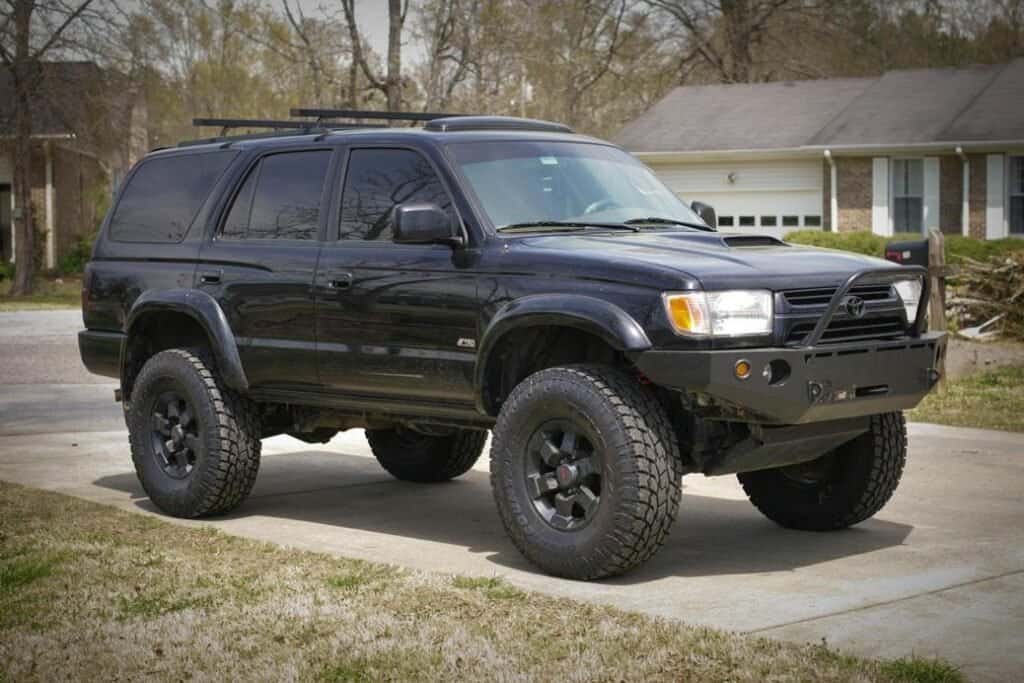
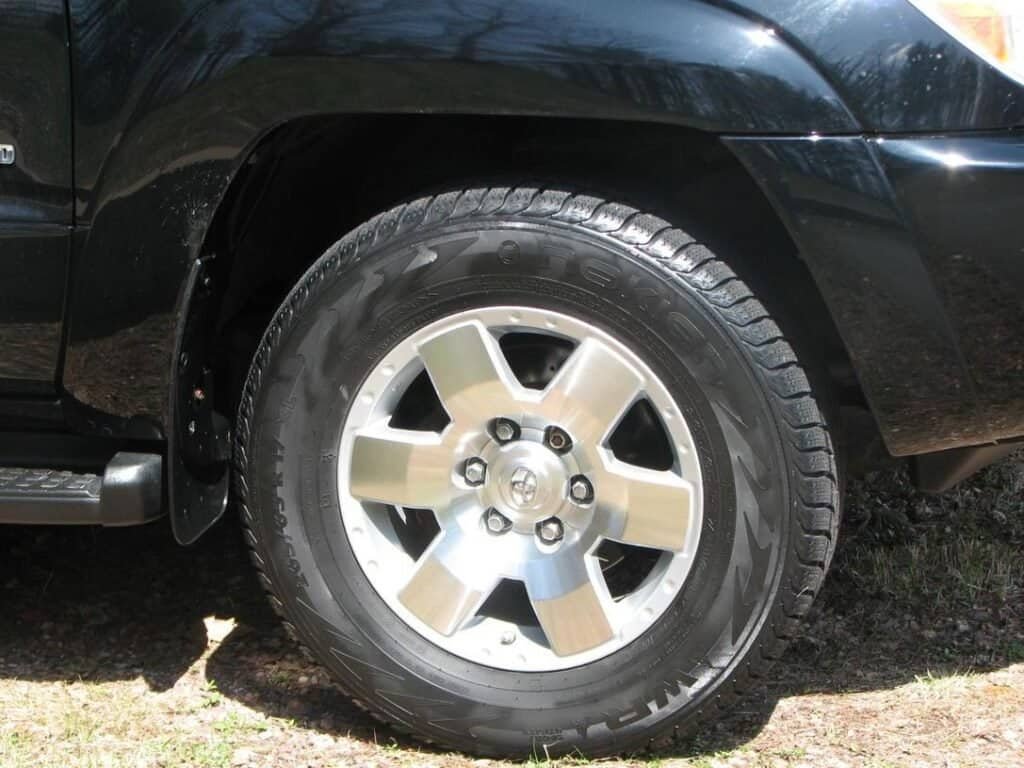
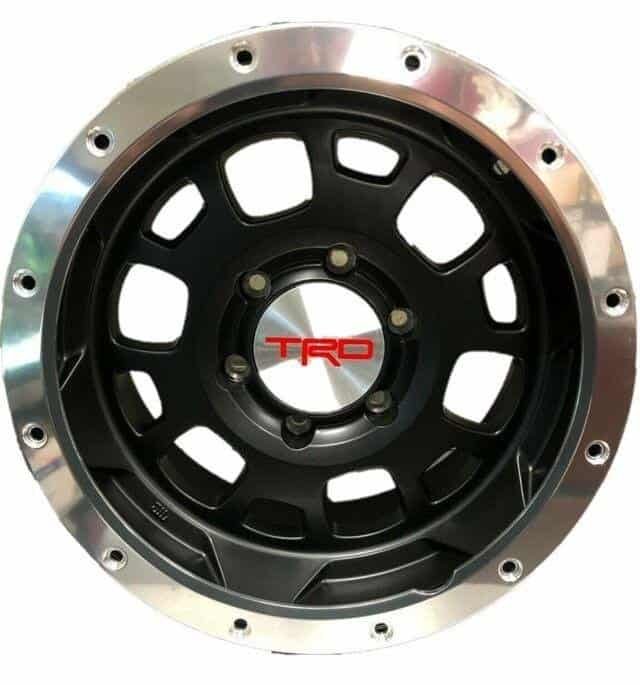
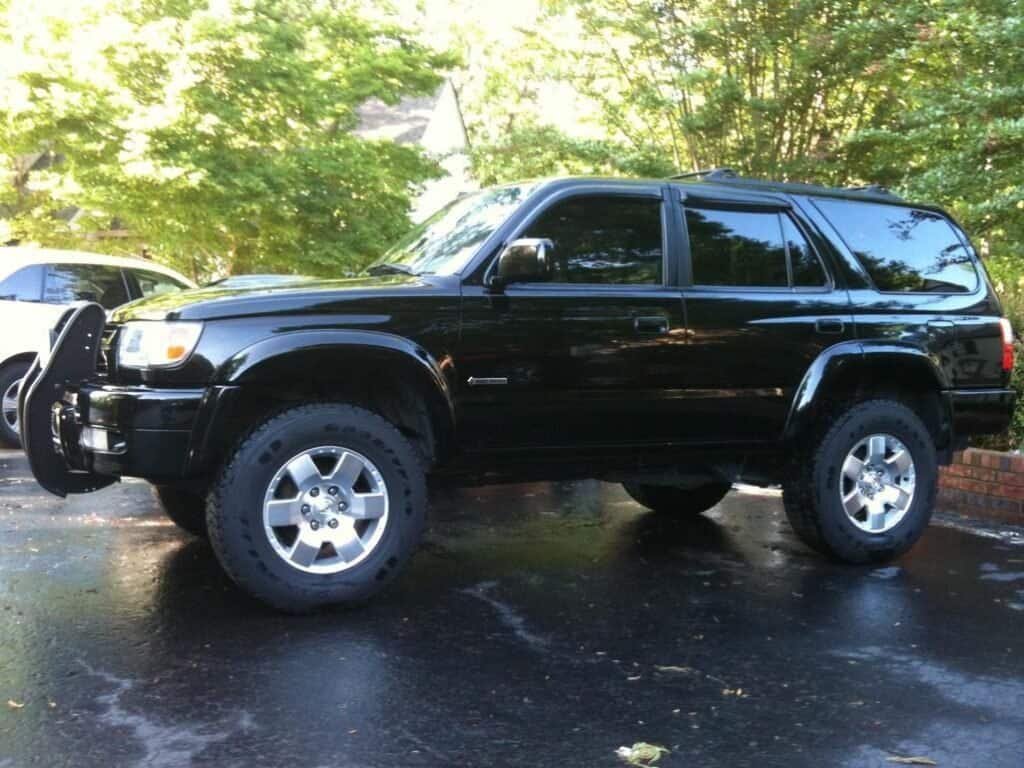
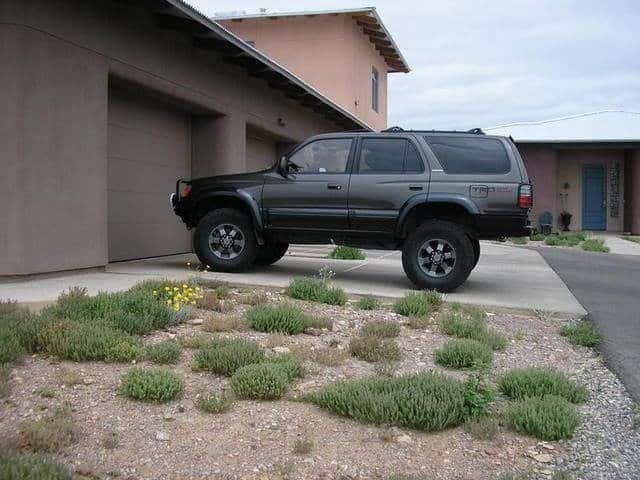
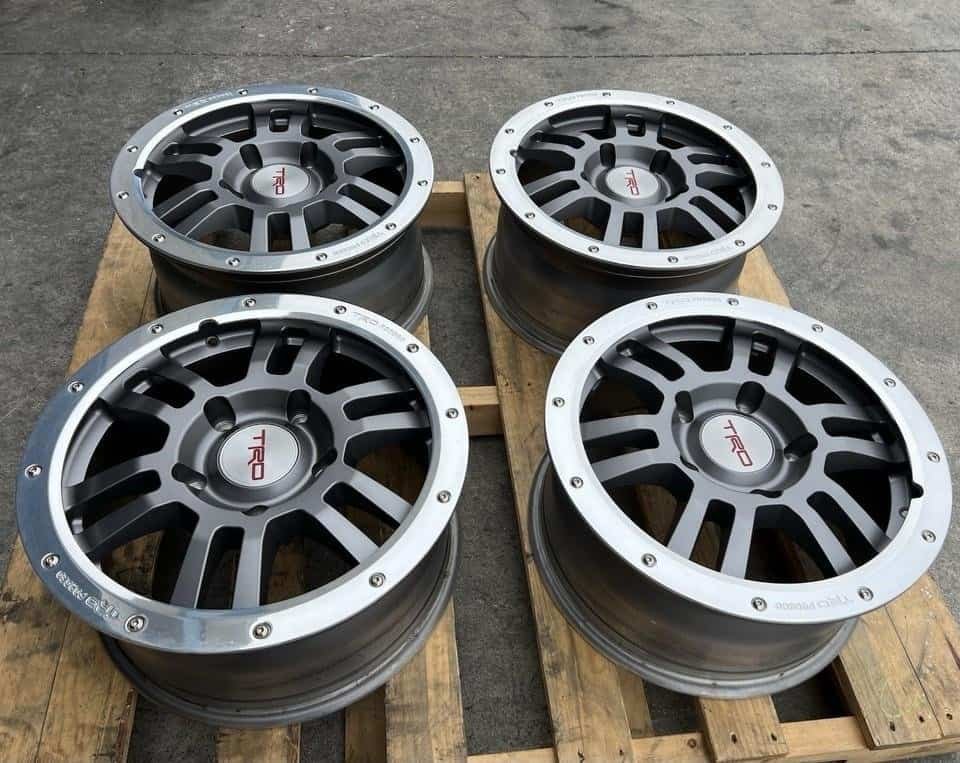
These wheels fit many 4Runner models and are known for their rugged appearance.
Tacoma TRD Wheels
Many Tacoma OEM wheels share compatible specs with the 4Runner.
Popular because they:
- Bolt on directly
- Improve appearance
- Maintain Toyota engineering standards
Can You Fit Larger Tires on OEM 4Runner Wheels?
Yes. Many owners run larger all-terrain tires on stock OEM wheels.
Common tire upgrades include:
| Tire Size | Typical Result |
| 265/70R17 | Stock-compatible |
| 275/70R17 | Mildly aggressive |
| 285/70R17 | Often requires modifications |
What Happens With Oversized Tires?
Larger tires can cause:
- Fender rubbing
- Reduced fuel economy
- Slower acceleration
- Steering interference
Some setups require:
- Fender liner trimming
- Lift kits
- Body mount chops
- Wheel spacers
How to Identify Genuine Toyota OEM Wheels
Counterfeit TRD and OEM-style wheels are increasingly common online.
Signs of Genuine OEM Wheels
Look for:
- Toyota stamping
- Part numbers
- Proper offset markings
- High-quality casting
- Correct center bore
- OEM packaging
Fake wheels may:
- Crack more easily
- Use lower-quality aluminum
- Have inconsistent finishes
- Cause balancing problems
Buying from reputable sellers is critical.
Where to Buy Toyota 4Runner OEM Wheels
Common purchasing sources include:
Toyota Dealerships
Best for:
- Guaranteed authenticity
- New wheels
- Factory warranty
Drawback:
- Usually the most expensive option
Online OEM Parts Retailers
Good for:
- Competitive pricing
- New take-off wheels
- Hard-to-find TRD styles
Marketplace and Forums
Popular sources include:
- 4Runner forums
- Facebook Marketplace
- Off-road classifieds
These often provide:
- Lower prices
- Rare OEM wheel sets
- Used wheels in good condition
Always inspect for:
- Cracks
- Bent barrels
- Corrosion
- Poor repairs
Common Toyota 4Runner OEM Wheel Finishes
Toyota has offered several wheel finishes over the years.
Silver Alloy
The classic OEM appearance with easy maintenance.
Matte Black
Popular on TRD trims and off-road builds.
Gunmetal Gray
A modern finish commonly seen on newer TRD Off-Road models.
Machined Face
Often found on Limited trims for a more premium appearance.
Common Mistakes When Buying OEM 4Runner Wheels
Many wheel fitment problems come from small specification errors.
Ignoring Offset
Even OEM Toyota wheels can vary in offset. A wheel that fits a Tacoma may sit differently on a 4Runner.
Buying Replica Wheels
Low-cost replicas often look similar but may lack proper load ratings.
Forgetting Tire Compatibility
A wheel upgrade may require different tire sizes to maintain proper fitment.
Mixing Wheel Generations
Not all Toyota truck wheels clear all brake setups.
Skipping Load Ratings
The 4Runner’s weight requires wheels with proper strength ratings, especially for off-road use.
Best Practices for OEM Wheel Upgrades
Verify Full Fitment Specs
Always confirm:
- Bolt pattern
- Offset
- Center bore
- Brake clearance
Use Quality Tires
OEM wheels perform best with reputable all-terrain or highway tires.
Re-Torque Lug Nuts
After installing wheels:
- Re-torque after 50–100 miles
- Use proper torque specifications
Check Suspension Clearance
Even OEM wheels can rub with oversized tires or lift kits.
Are OEM Wheels Better for Resale Value?
In many cases, yes.
Buyers often prefer:
- Original factory appearance
- Authentic TRD components
- Proper Toyota fitment
Vehicles with OEM wheels may:
- Sell faster
- Appeal to broader buyers
- Avoid concerns about modifications
Keeping original factory wheels can also help during resale negotiations.
Quick Summary
| Topic | Key Takeaway |
| OEM wheels | Designed specifically for the Toyota 4Runner |
| Bolt pattern | 6×139.7 mm |
| Most common size | 17-inch |
| Popular OEM upgrade | TRD Pro wheels |
| Best benefit | Guaranteed fitment and durability |
| Main downside | Higher cost compared to replicas |
| Best for | Daily driving, towing, off-road use |
Frequently Asked Questions
What size are Toyota 4Runner OEM wheels?
Most Toyota 4Runner OEM wheels range from 16 to 20 inches depending on trim level and generation. Seventeen-inch wheels are the most common.
Do Tacoma wheels fit a Toyota 4Runner?
Many Tacoma OEM wheels fit because both vehicles share the 6×139.7 bolt pattern. Offset and brake clearance should still be verified.
Are TRD Pro wheels real beadlocks?
No. Most TRD Pro wheels are beadlock-style wheels, not functional beadlocks.
Can I run 285 tires on stock OEM wheels?
Yes, but many setups require a lift, trimming, or suspension modifications to avoid rubbing.
Are OEM wheels stronger than aftermarket wheels?
High-quality aftermarket wheels can be very strong, but OEM wheels are engineered specifically for Toyota durability and factory load requirements.
Do OEM wheels improve ride quality?
OEM wheels help maintain factory ride characteristics because they are designed around the vehicle’s suspension geometry and weight.
Final Thoughts on Toyota 4Runner OEM Wheels
Toyota 4Runner OEM wheels remain one of the best options for owners who value reliability, proper fitment, and long-term durability. Whether you drive on highways, tow trailers, commute daily, or spend weekends on trails, factory Toyota wheels provide a balanced setup that works exceptionally well with the 4Runner platform.
TRD Pro wheels, Tacoma OEM wheels, and factory alloy upgrades continue to dominate the 4Runner community because they combine rugged styling with proven compatibility. While aftermarket wheels offer more customization, OEM options reduce many of the common fitment and quality concerns that come with heavily modified setups.
For most 4Runner owners, choosing the correct OEM wheel comes down to understanding wheel size, offset, tire compatibility, and intended vehicle use. Once those factors are matched correctly, OEM wheels deliver a dependable setup that looks good and performs well for years.

When he’s not working his magic under the hood, Ethan Wilson is usually sharing his love for Toyota cars through his writing. Ethan’s got a special talent for breaking down complex car topics into easy-to-understand articles, making him a go-to source for Toyota enthusiasts everywhere.